
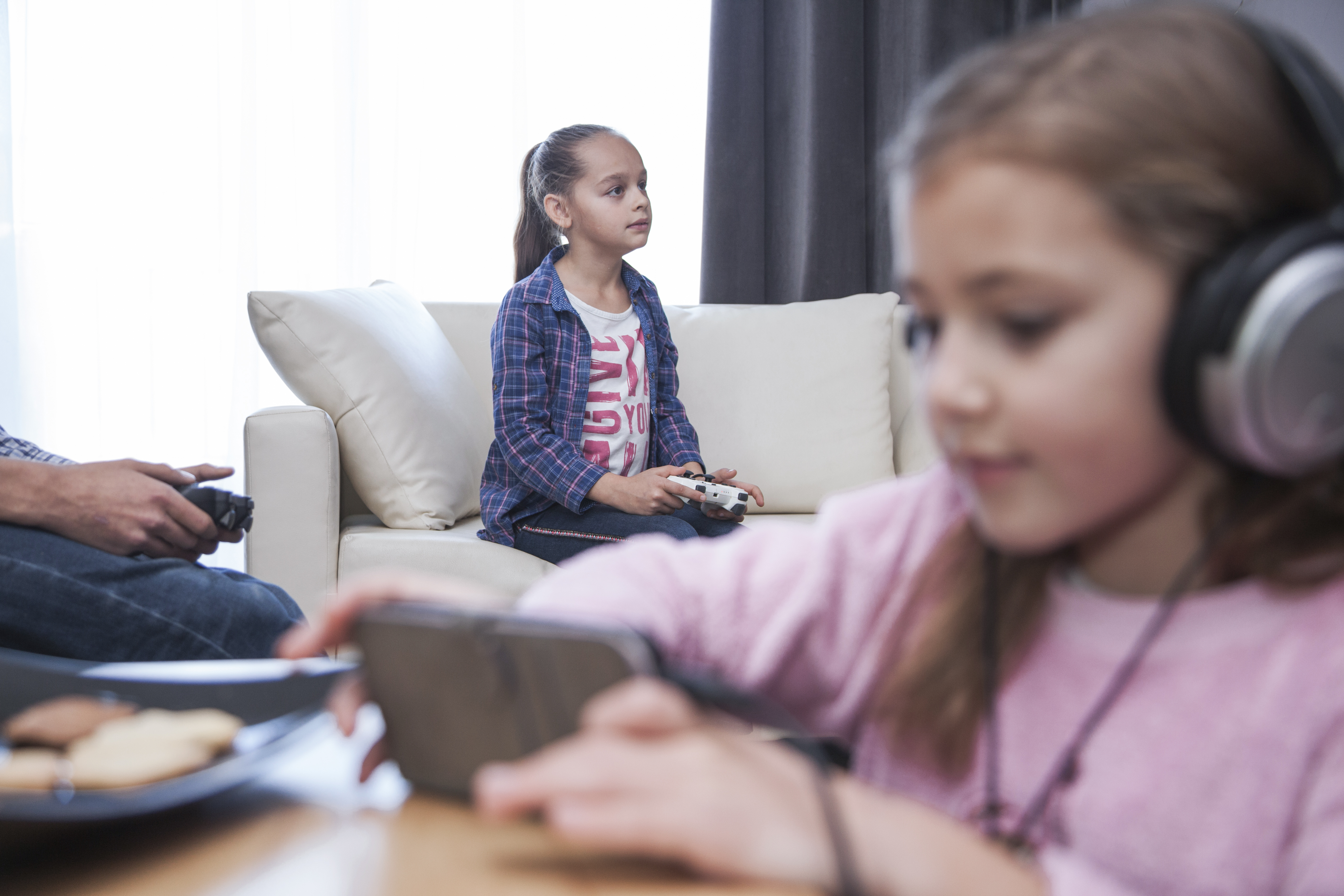
Video games have become part of everyday life in Spain. More than 22.1 million people now play regularly, a 10% jump since 2023, and the mobile phone has firmly established itself as the nation’s controller of choice, used by 38% of players. On average, Spaniards spend 8.2 hours a week gaming, and the vast majority stay engaged: 74% play at least once a week, and 90% at least once a month.
A market shifting online
The Spanish games market is moving decisively digital. Digital sales now account for around 65% of total sales, up nearly 20% from 2024. Spending on digital games rose 19.75% in the same period, while physical game spending fell 18.11%, a clear signal of where the industry, and players’ wallets, are heading. Overall spending (digital and physical combined) is up 2.95% year-on-year, and a striking 19.68% since 2022. Esports, meanwhile, remains a smaller but committed niche: 2.9 million Spaniards (5.85% of the population) identify as esports enthusiasts, over half of them older than 25, and around 250 play professionally. A quarter of Spanish teens watch esports content via streaming.
Children are playing a lot
Gaming starts early in Spain. Among 6–10 year-olds, 84% already play video games; that climbs to 91% for 11–14-year-olds and 96% for 15–24 year-olds. Together, children and young people (6–24) make up 38% of all players in the country.
Time spent is significant too. Children aged 5–9 play around 11.4 hours a week, and 10–14-year-olds around 14.24 hours a week, both well above the national average of 8.2 hours. Consoles remain the dominant device for younger children (73–82%), though mobile is close behind (69–75%), reflecting a generation moving fluidly between screens.
Not just a risk
In 2025, most Spanish gamers described gaming as beneficial to their well-being: 75% said it helps with stress, 66% with anxiety, and 56% with feelings of isolation and loneliness.
A country building safeguards
Spain has responded with one of Europe’s more active regulatory and civil-society ecosystems around youth gaming. The proposed Ley de Cajas de Botín would classify loot boxes as gambling and bar minors from purchasing them. The CNMC already requires streamers to age-rate their content and restricts advertising of violent games or gambling platforms during hours when minors are likely to be online. The Spanish Association of Pediatrics recommends no screen time before age 6, one hour maximum for ages 7–12, and two hours for 13–16. And the National Plan on Drugs (PNSD) now formally treats gaming and screen “behavioural addictions” alongside substance addiction in its public health strategy.
Alongside government action, organisations such as AEVI, DEV, INCIBE’s Internet Segura for Kids, PantallasAmigas, Empantallados, and FEJAR provide research, education, and support for families navigating this landscape.