At the FAIR GAME project, we believe that online safety policies shouldn’t just be designed by tech companies or academic experts, they must be shaped by the lived experiences of young people themselves. This is especially true for youth navigating challenging life circumstances or supported by social care frameworks, whose unique digital lives are rarely represented in mainstream research.
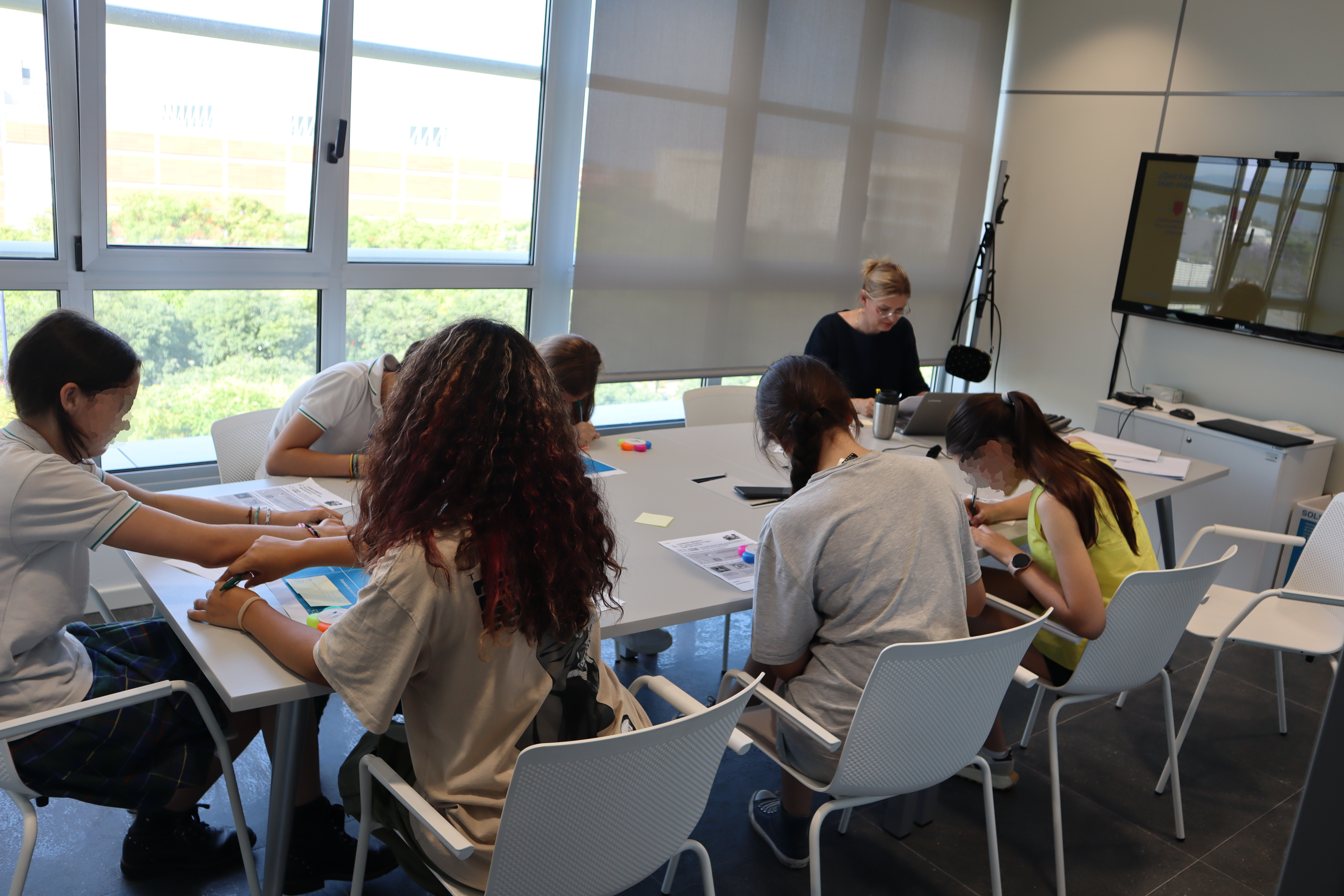
Recently, our research team partnered with the NGO Ilewasi to host a series of fast-paced, high-engagement co-design workshops. Working under real-world constraints, including a strict “no-smartphone” environment and compressed timelines, these young people proved to be incredibly sharp, highly digitally literate, and deeply motivated to build safer online spaces.
What they told us challenges everything mainstream child safety research assumes about this population.
WHO TOOK PART
|
20
participants across both sessions
|
12–19
age range
|
90 min
total co-creation session time
|
0
digital tools used, all paper & discussion
|
|
Session 1
55-minute session
11 young people, 6 girls and 5 boys. Children of migrants, young people with addiction issues and school disengagement.
9 active participants · Mixed backgrounds
|
Session 2
35-minute session
9 participants, 6 girls and 3 boys. Two girls who said they ‘don’t play anymore’ ended up contributing some of the richest data about social media harms and why they left gaming.
8 active participants · Surprising engagement
|
FOUR THINGS WE FOUND THAT YOU WON’T SEE IN MAINSTREAM RESEARCH
01
|
They name the mechanisms, not just the symptoms
These young people didn’t just say “games are addictive.” They named the Skinner box. They identified gacha mechanics as deliberately designed to foster addiction. They pointed out that Roblox’s removal of its chat changed the platform’s social dynamic. This is a structural critique, not a complaint.
“Video games constantly entice you in an explicitly subliminal way.”
— Participant, Session 1
|
02
|
They see risk in design
The mainstream narrative blames predatory strangers. These children blamed platform architecture: the impossibility of blocking someone on Brawl Stars, voice chat accessible to very young children, servers that mix all ages. They proposed fixes with the precision of product managers.
“Be able to block toxic people, but in Brawl Stars, you can’t, for example.”
— Participant, Session 1
|
03
|
The “Continuity of Harm” (from gaming to social media)
Female participants highlighted a distinct trend: as they grow older, they often drift away from active gaming, but the online harassment follows them onto social media. They identified intense peer judgment (such as body and appearance shaming) and predatory contact from unknown adults as routine risks. Games and social media aren’t separate problems. For these girls, they form one connected hostile environment.
“If you wear short clothes, they say bad things, and if you wear long clothes, they say the same.”
— Participants, Session 2
|
04
|
They know they are excluded from decisions that affect them
One participant wrote: “I feel like we are not listened to.” Another wrote: “Protest to push for improvements.” These aren’t expressions of helplessness; they’re political statements. Under the UN Convention on the Rights of the Child, these young people have a right to be heard on decisions that shape their digital lives. Nobody had asked them before.
“I feel like we are not listened to.”
— Participant, Session 1
|
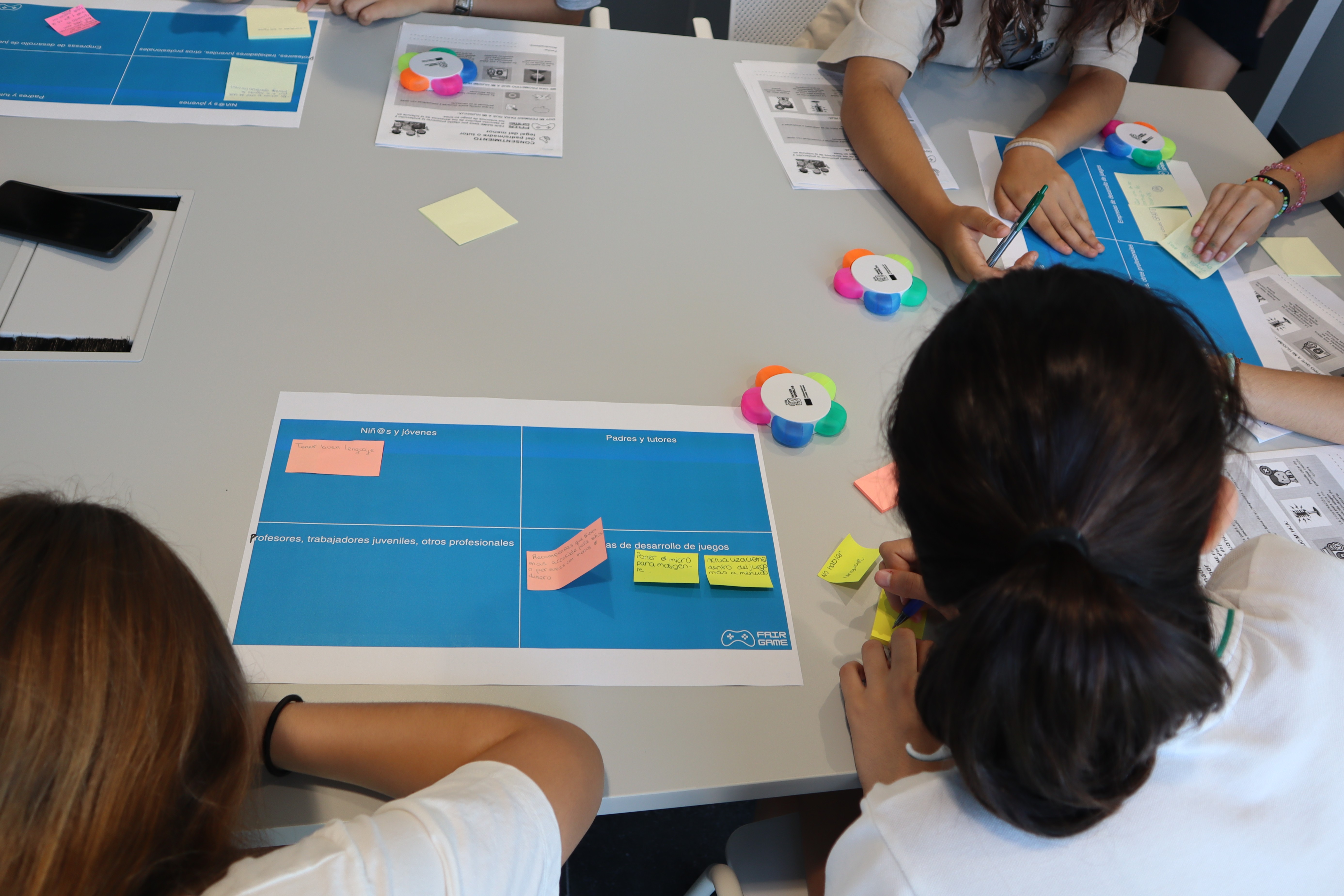
The Co-Created Solution Matrix
Rather than asking for simple “safety tips,” the youth used solution quadrants to draft systemic, structural fixes. They divided responsibilities across four key pillars.
WHAT THEY PROPOSED BY WHO SHOULD ACT
|
Game companies
▸ Block and report tools in every game
▸ Servers divided by age group
▸ Fewer microtransactions
▸ Reduce generative AI use
▸ Voice chat restrictions for under-10s
▸ Listen to user feedback and act on it
|
Parents
▸ Set a healthy time limit for gaming
▸ Actually play some games with their children
▸ When gaming is used to escape, find the real problem
▸ Know what their children can access
▸ Propose family activities as alternatives
|
|
Teachers and tutors
▸ Actively teach assertiveness
▸ Run talks on game design, not just ‘games are bad’
▸ Talk with students about what they experience
▸ Warn about consequences and give support
|
Peers
▸ If you lose, don’t blame and insult others
▸ Learn to identify and cut off toxic situations
▸ Don’t waste productive time on games
▸ Spending money doesn’t make you better; show respect
|
WHAT PARTICIPANTS THOUGHT OF THE SESSIONS
Participants rated the session across four questions (1–5 stars). Results from both sessions combined.
|
Did you enjoy the session?
★★★★★
4.7 / 5
|
Did you get to talk about things that matter to you?
★★★★☆
4.3 / 5
|
Did you feel listened to?
★★★★★
4.7 / 5
|
Did you feel safe talking about what is important to you?
★★★★★
4.7 / 5
|
The bigger picture
Platform safety policy is designed for young people but is almost never shaped by them. These sessions reveal something that mainstream research consistently misses: young people living in precarious circumstances often have a sharper, more structural understanding of exploitative platform design than the adults writing policy on their behalf.
These young people do not want to be passively protected. They want platforms to be held accountable. And even where conventional family support structures are absent, where no parent is monitoring screen time or moderating what gets watched, they demonstrate a striking capacity to name what is wrong and articulate what should change.
Co-design, done properly, makes this visible. It creates a space where insight that already exists can finally be heard.
The EU Digital Services Act requires platforms to protect minors. It does not require that minors be asked what protection should look like. That gap between legislation written for young people and governance built with them is precisely where the FAIR GAME project intervenes.