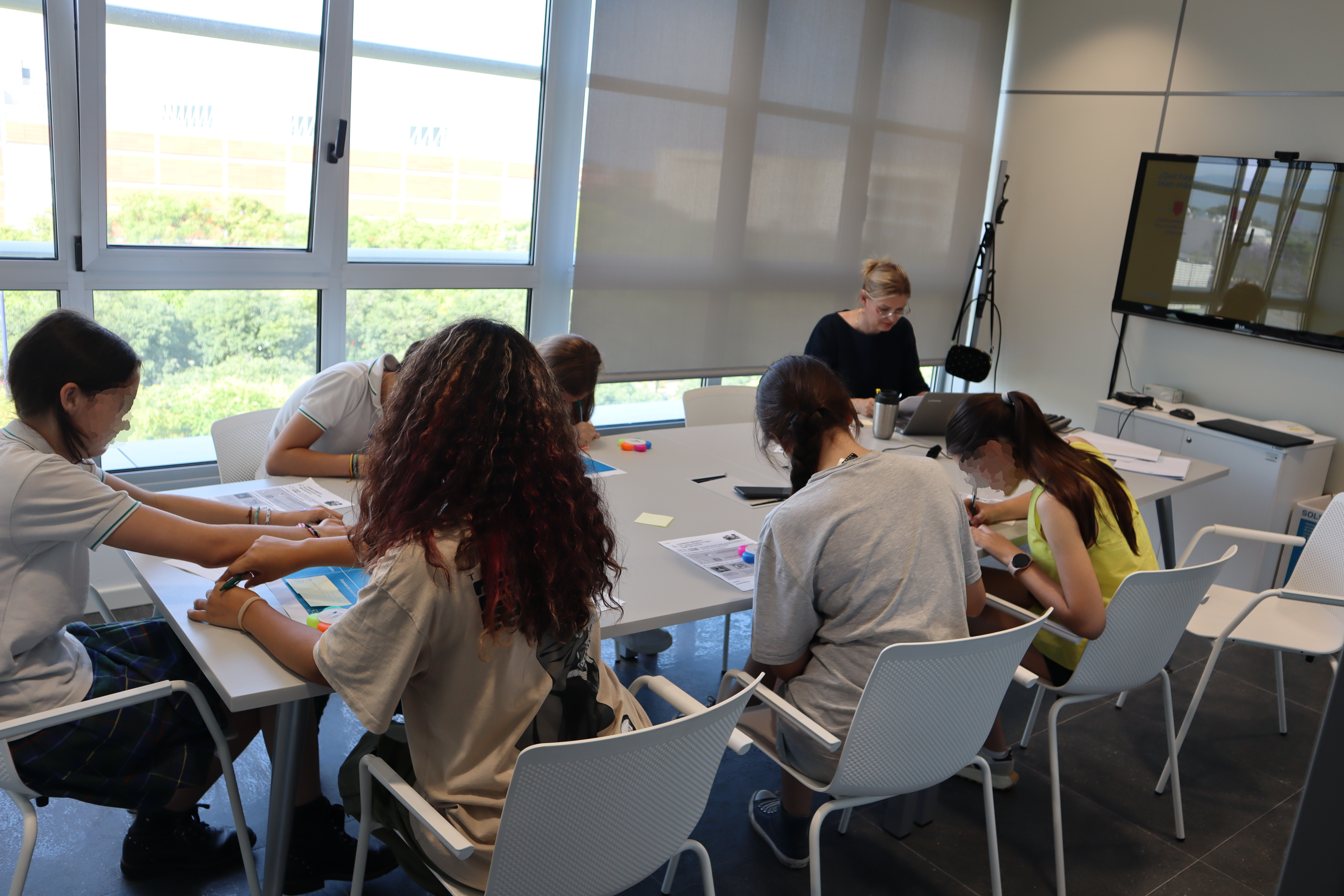
Co-design workshops have now been completed in Finland, Spain, Cyprus and the Netherlands, marking an important milestone for the FAIR GAME project.
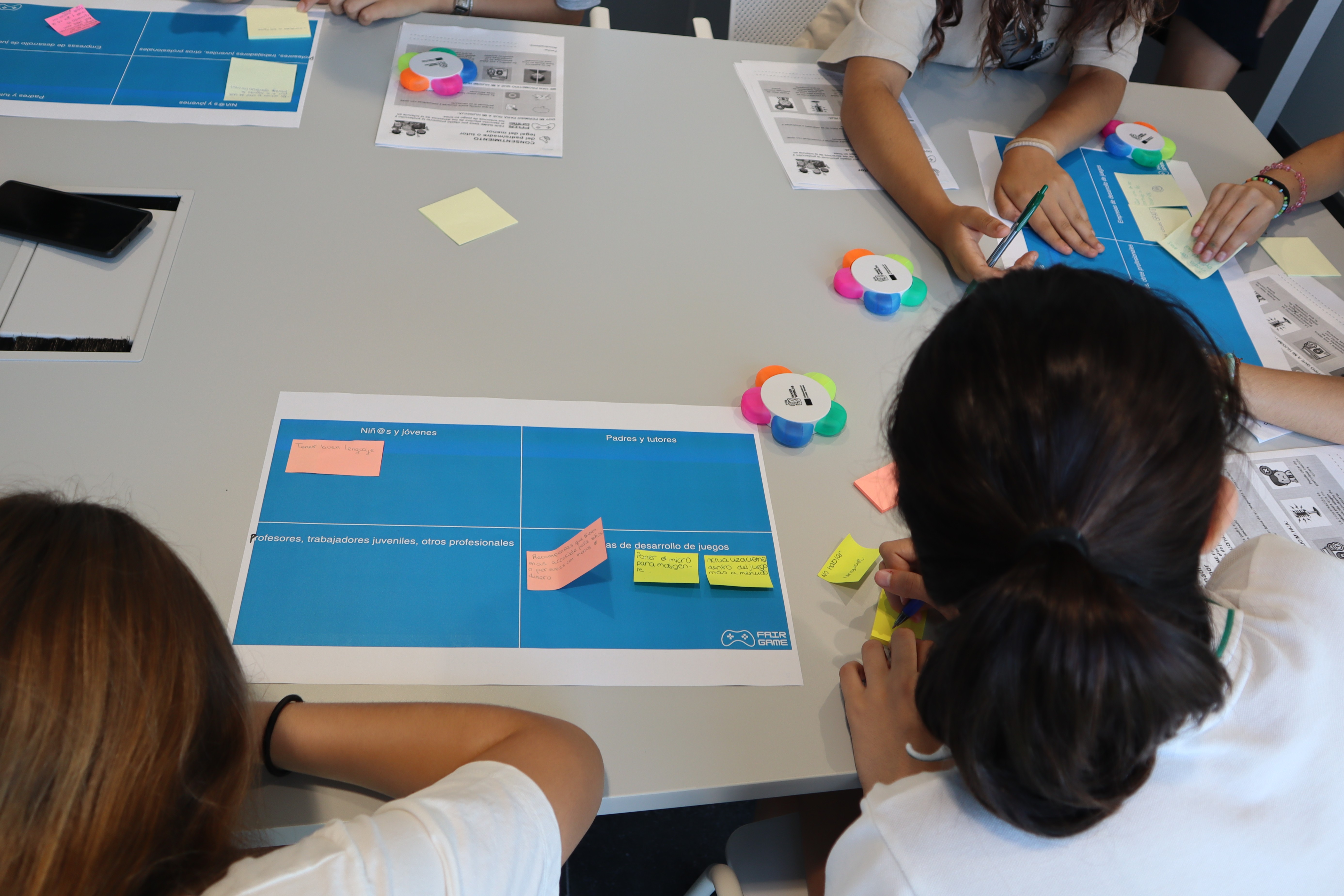
From the very beginning, FAIR GAME partners agreed on one key principle: for this project to have a meaningful impact, children needed to actively shape it, not simply be consulted at the end. With this in mind, Save the Children Finland developed a co-design workshop format this spring, which all partners then used to engage children and young people who game across their respective countries. The goal was simple: to hear directly from young people about the challenges they face in gaming, and how they believe those challenges should be addressed.
What We Heard
The message from children and young people was clear: gaming is an important part of everyday life. It offers a space for relaxation, creativity, and connection. For many, it is a way to unwind after a difficult day and to build friendships that often extend well beyond the game itself. Gaming can also be valuable downtime shared with parents and caregivers, while bringing children together at youth houses or tournaments.
The Challenges Young People Face
At the same time, participants were highly aware of the difficulties within online gaming environments. They raised concerns about toxic behaviour, including racism and exclusion in multiplayer spaces, as well as game designs that prioritise spending over fairness, often relying on addictive features to keep players engaged.
From Problems to Solutions
Importantly, young people did not stop at identifying problems. They also offered solutions, calling for:
- Safer and more inclusive gaming environments
- Fairer design choices that do not rely on pay-to-win mechanics
- Stronger action against harmful behaviour
- More meaningful opportunities for young people to influence how games are designed
These discussions reinforce a key principle at the heart of the FAIR GAME project: online gaming environments should support young people’s wellbeing, rights, and participation. Children and young people should not be seen only as passive users of these spaces. Instead, they should be meaningfully included in shaping them.
A huge thank you to all the young participants across Finland, Spain, Cyprus and the Netherlands for sharing their experiences and ideas so openly.
Stay tuned for more updates and follow us on Instagram, LinkedIn and YouTube to keep up with us!